By RIVERA SUN
Guest Columnist
Tens of thousands of people are joining the annual Campaign Nonviolence Action Days from Sept. 21 to Oct. 2. For 13 years, Campaign Nonviolence has been rallying tens of thousands of people each year to take action to build a culture of peace and active nonviolence, free from war, poverty, racism, and environmental destruction. Spanning the 12 days from the International Day of Peace to the International Day of Nonviolence, the international campaign will highlight what nonviolence looks like on the structural or systemic level. To this end, hundreds of groups will be holding events and actions to “reflect, educate, and act to advance nonviolent solutions.”
Nonviolent solutions are programs, policies, and practices that interrupt violence, repair harm, and replace destructive systems. Just as violence can be more than physical, so can nonviolence. Systems and structures that currently cause harm through inequality, discrimination, racism, poverty, and environmental destruction should – and can – be replaced with effective alternatives anchored in justice, peace, inclusion, healing, dignity, and respect. From mass incarceration to the climate crisis, people around the world are campaigning to stop these harmful injustices and implement better systems that move humanity toward a just, peaceful future on a living planet.
Nonviolent solutions come in many shapes and sizes.
One set of solutions addresses conflicts in our lives, homes, schools, and workplaces. These practices include: restorative justice, violence prevention programs, conflict resolution in schools, dialogue, peacebuilding, reconciliation, bystander intervention, community safety, mental health support, trauma-informed policies, active listening, peer mediation, youth diversion programs, nonviolent communication, and more.
Other nonviolent solutions work toward environmental protection, such as renewable energy, reforestation, fossil fuel divestment, biodiversity protection, reuse and recycling programs, plant-based diets, marine sanctuaries, and so forth. Some of these concepts have profound ripple effects; for example, green spaces can dramatically lower urban temperatures during heat waves, and also decrease crime and depression.
A third collection of solutions addresses underlying issues of economic injustice and inequality: living wages, universal basic income, affordable healthcare, affordable housing, reparations, free mass public transit, debt abolition, free and affordable higher education, universal childcare, and more.
Nonviolent solutions range from familiar, everyday things (like skills for handling disagreements with friends) to big, visionary ideas that may seem impossible at first (like war abolition). Yet, the solutions are entwined and interconnected; everyday solutions offer a glimpse of what a world beyond war and violence might look like.
When we understand that the use of civil resistance worldwide has replaced armed conflicts with nonviolent methods that are twice as effective, we can dare to envision a world in which nations invest more in civilian-based defense and nonviolent action than in military power.
Campaign Nonviolence Action Days is a time when thousands of people move into action to bring the vision of this nonviolent world closer to reality. Across 24 states and more than 17 countries, people will be holding vigils, rallies, documentary film screenings, discussions, marches, advocacy meetings, concerts, art-making events, teach-ins, trainings, and direct actions.
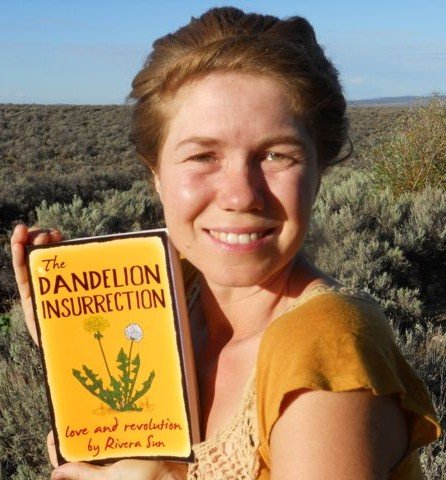
Rivera Sun, syndicated by PeaceVoice, has written numerous books, including The Dandelion Insurrection and the award-winning Ari Ara Series. Opinion expressed are those of the author.