By JIM BRUGGER and FRED YERZY
Open Sky Outreach
Fall is a time of transition … As temperatures begin to cool and the days grow shorter with the changing season, it is time to bid farewell to the stars and constellations of summer and welcome in the winter constellations. As the summer triangle slowly sinks toward the western horizon, Cygnus and Pegasus dominate the evening sky overhead. If you are up before dawn, look east to see Taurus, Orion and Gemini beginning their slow rise to winter prominence.
Planet Parade:
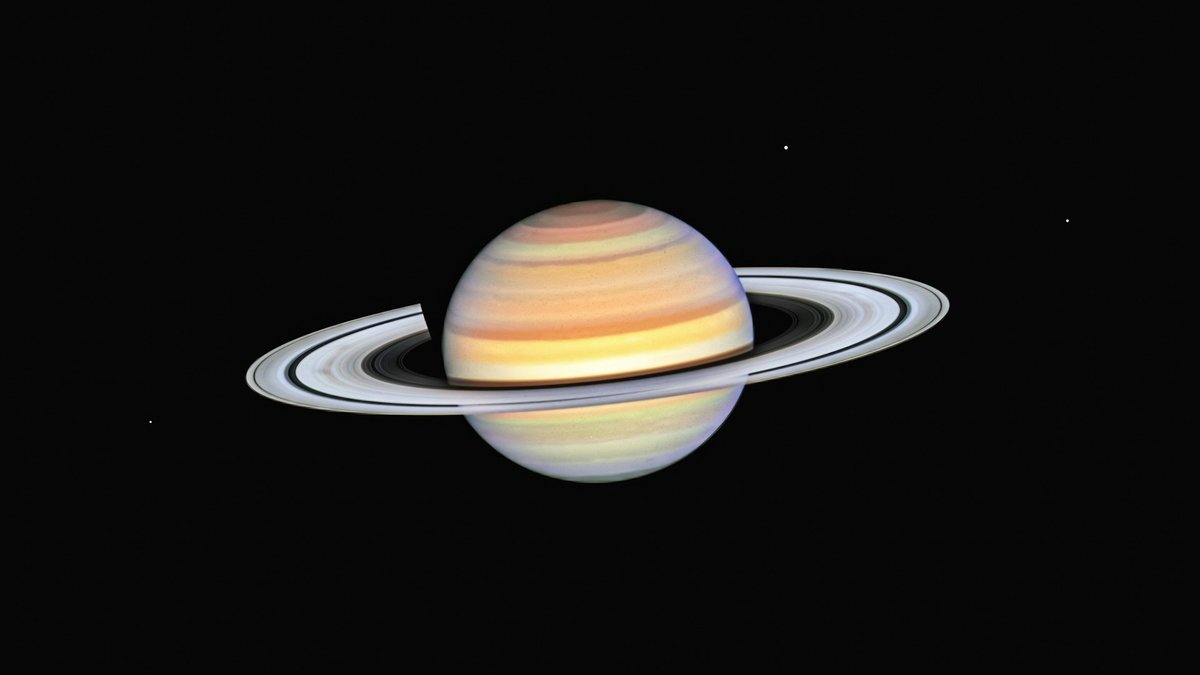
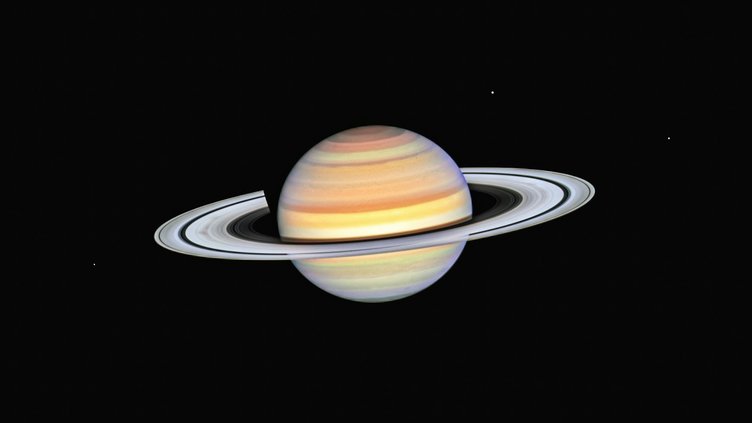
Saturn is one of the brightest objects in the nighttime sky and is visible all month. On October 4, it will be in opposition with Earth, when it will be at its biggest and brightest. With the naked eye, Saturn will be a bright, yellow/orange dot. In binoculars, you may detect a slight oval shape due to the rings. In a small telescope, the rings come into view, making it one of the most popular targets for amateur astronomers. The planetary disk is about 75,000 miles (120,500 km or 9.5 earth diameters) wide. The primary, visible ring structure spans a width of about 170,000 miles (270,000 km or 21 Earth diameters) but is extremely thin at only one hundred to one thousand meters thick. The rings appear very bright because they are composed mostly of highly-reflective water ice with particles ranging in size from grains of dust to massive chunks the size of mountains. About every twelve to fifteen years, we pass through the plane of Saturn’s rings, and, viewed edge-on, they virtually disappear in small telescopes. This just happened in 2025 and this year the rings are back in view as they move back toward their maximum tilt of twenty-seven degrees in 2032. Titan, the largest of Saturn’s more than 140 confirmed moons, can be seen with a small telescope.
Mars can be found in the eastern sky between 2 a.m. and sunrise all month.
Jupiter has emerged from behind the sun and joins Mars in the predawn sky. On October 6 at around 1:15 a.m. PDT, the waning crescent moon occults Jupiter. Unfortunately, it will happen below our local horizon. As a consolation, Jupiter and the moon can be seen in the same field of view in binoculars after they rise around 3 a.m.
Uranus can be seen with binoculars or a small telescope in the early morning hours about halfway between the Pleiades star cluster and the red giant Aldebaran in Taurus.
Constellations and Celestial Highlights:
The Orionid Meteor Shower peaks the night of October 21-22 with up to twenty meteors per hour. This is the second meteor shower of the year attributed to the debris trail left by Halley’s Comet. For the best view, look east-southeast toward the constellation Orion after 1 a.m. on the 22nd.
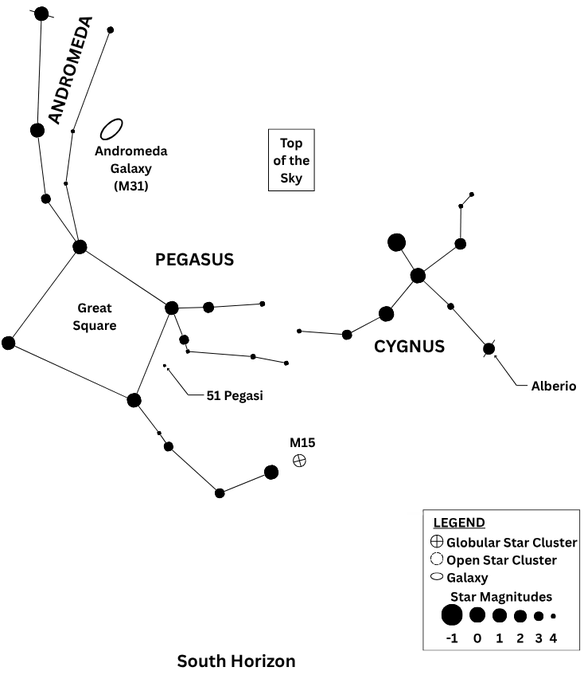
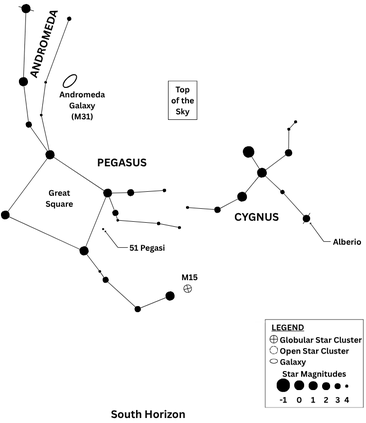
In Cygnus, the double star, Alberio, marks the head of the swan. The two component stars can be resolved with a small telescope; the primary, golden-yellow star and a fainter, sapphire-blue star.
Look for the “Great Square” of Pegasus high overhead in the south-east. In Greek mythology, the square forms the body of an upside-down, winged horse. A plain star called 51 Pegasi, about halfway between Markab and Scheat on the east side of the square, was the first sun-like star found to have an exoplanet.
Did you know?
October’s full moon occurs on the 25th and is called the Hunter’s Moon for the time when game is hunted and prepared for the winter.
If you could scale a sheet of copy paper up to be the same width as Saturn’s rings, the paper would be more than one hundred times thicker than the rings.
Tech Talk:
Opposition: The point at which the Earth passes directly between the sun and another planet.
Occultation: When one celestial object passes in front of another, completely blocking it from view.
Local Outreach Events:
Friday, October 2, 7-10 p.m.: Great Valley Museum Science Night, MJC West Campus, featuring a natural history museum, hands-on exhibits, planetarium shows and rooftop observatory (https://www.mjc.edu/gvm/index.html).
Open Sky Outreach solar telescope demonstration: Turlock Farmer’s Market, Saturday, October 24th (weather permitting).
Do you have questions about the local nighttime sky and/or astronomy? Email us at openskyoutreach@gmail.com.