Snacks are a big part of many people’s daily lives. When smart choices are made, snacking can fill any voids between meals and be part of a healthy diet. However, when unhealthy snacks are consumed, it can derail otherwise healthy eating plans.
Children need to be taught early on how to decide which foods make good snacks and which ones should probably be avoided. According to the health resource Kids Klinic, regularly consuming unhealthy snacks can lead to obesity, cavities and unstable energy levels in children. To protect children’s health, here are some of the snacks youngsters should be discouraged from eating.
Sugary treats: Candies and sugar-laden beverages might be alright once in a while, but they generally should be avoided. Sodas, sports drinks and packaged juices are a leading source of added sugars.
Baked goods: Cookies, cakes and toaster pastries contain empty calories and high amounts of added sugar. They also may contain trans fats or saturated fats.
Packaged chips and crackers: Many products like potato chips or vegetable straws are made from refined starches, seed oils and artificial colorings with minimal nutritional value.
Popcorn and nuts: While older children can enjoy these foods, they present choking hazards for children under the age of 4.
Fast food: Fast food can be delicious because it is filled with flavors that appeal to the masses. However, many fast food chains sell foods that are high in calories, unhealthy fats and sodium. They also tend to be nutritionally weak, potentially leading to high cholesterol and diabetes over time.
Instead of unhealthy options, adults can guide children to choose better snacks.
Homemade foods: Instead of dining out frequently, meals made at home can enable people to tailor ingredients to focus on lead proteins and whole grains.
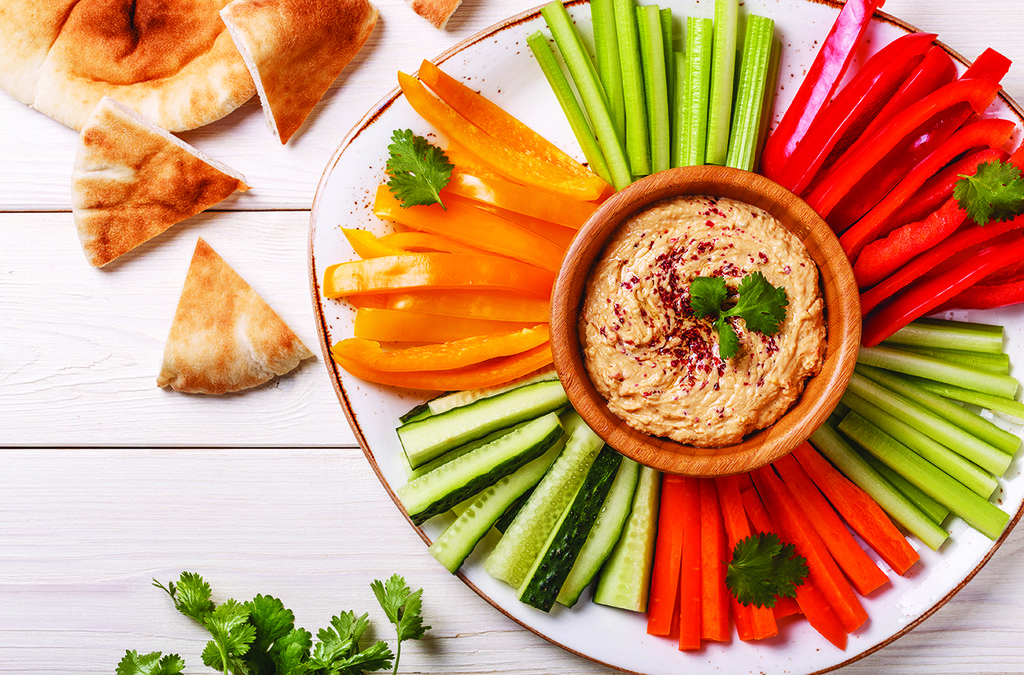
Fruits and vegetables: Fresh or dried fruit and crunchy vegetables offer essential vitamins and minerals without added sugars.
Nutritious dips: Whole grain crackers with low-fat dairy or nut butters can be delicious, healthy snacks.
Parents can lead by example by choosing healthy foods when eating out and at home.