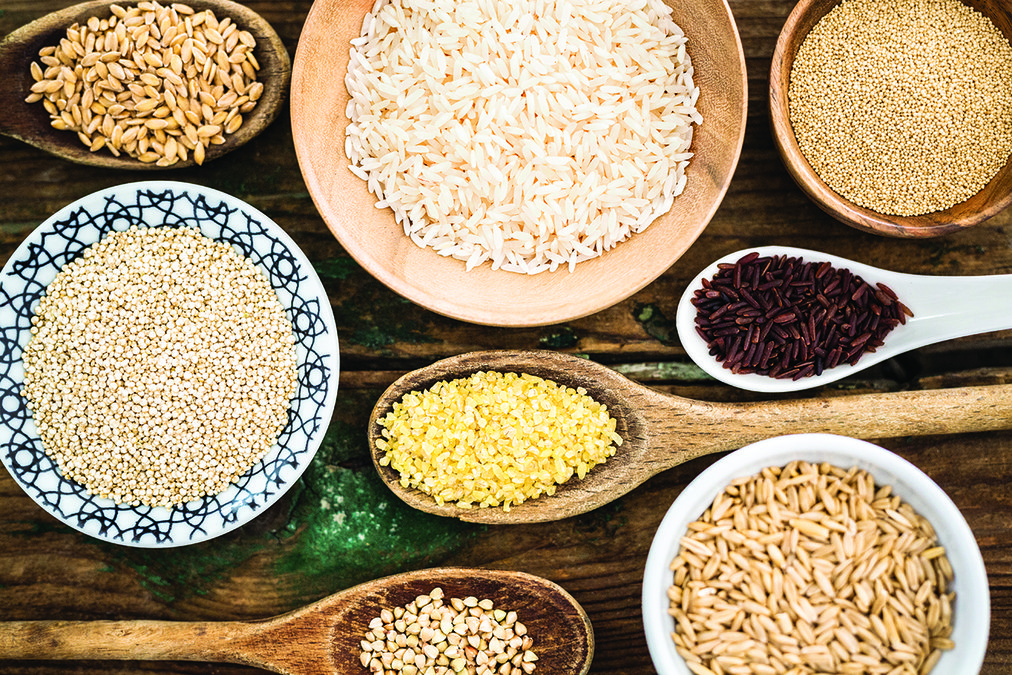
Rice is a staple food that helps to feed billions of people across the globe. Rice is inexpensive and a nutritious source of vitamins and minerals, and it comes in many different varieties and a rainbow of colors. With so many options to choose from, people may wonder if certain rices are more nutritious than others.
All rice can fit into a nutritious diet, but Healthline notes the healthiest options are whole grain, unpolished rices like black, red or brown rice. Here is a deep look at these varieties.
Brown rice: Brown rice has had the outer protective shell, known as the hull, removed. Unlike white rice, it still contains the bran layer and the germ. Brown rice contains flavonoid antioxidants that are good for illness prevention. Brown rice has a slightly higher fiber and protein content than white rice. Fiber can promote feelings of fullness.
Black rice: Black rice has a deep black color that often transitions to purple when cooked. Research shows that black rice has the highest antioxidant activity of all the varieties. Antioxidants protect cells from free radicals. Black rice also contains anthocyanins, which are plant pigments that have powerful antioxidant and anti-inflammatory properties. The National Institutes of Health notes that anthocyanins derived from black rice suppress the growth of certain cancers.
Red rice: Like black rice, red rice is high in protein and fiber and is packed with flavonoid antioxidants. Healthline says red rice has significantly greater potential to fight free radicals and contains higher concentrations of flavonoid antioxidants than brown rice. Flavonoids can help decrease inflammation in the body.
Although rice is healthy, it should be enjoyed in moderation. Arsenic is a concern related to overconsumption of rice, as the rice naturally absorbs inorganic arsenic from the soil. Brown rice tends to retain slightly higher levels than white rice. The Cleveland Clinic says rice grown in Thailand and basmati rice from India are varieties of rice with lower arsenic levels. Rice grown in California also has lower levels of arsenic when compared to rices from the southeastern United States. Arborio rice from Italy tests high in arsenic and other heavy metals.