A healthy diet includes a mix of various vitamins, minerals and nutrients. In fact, those seeking to eat healthy may sometimes be overwhelmed by medical advice recommending an array of items so wide it can seem difficult to squeeze everything in without eating too much food. Thankfully, there are many simple ways to get enough of what you need, and that includes fiber.
The Mayo Clinic notes that a high-fiber diet supports a healthy body in various ways. A high fiber diet can reduce risk for constipation, help people maintain low cholesterol levels, promote bowel health, and slow the absorption of sugar, which can improve blood sugar levels in people with diabetes. With so much to gain from including fiber in your diet, the following are some strategies to do just that.
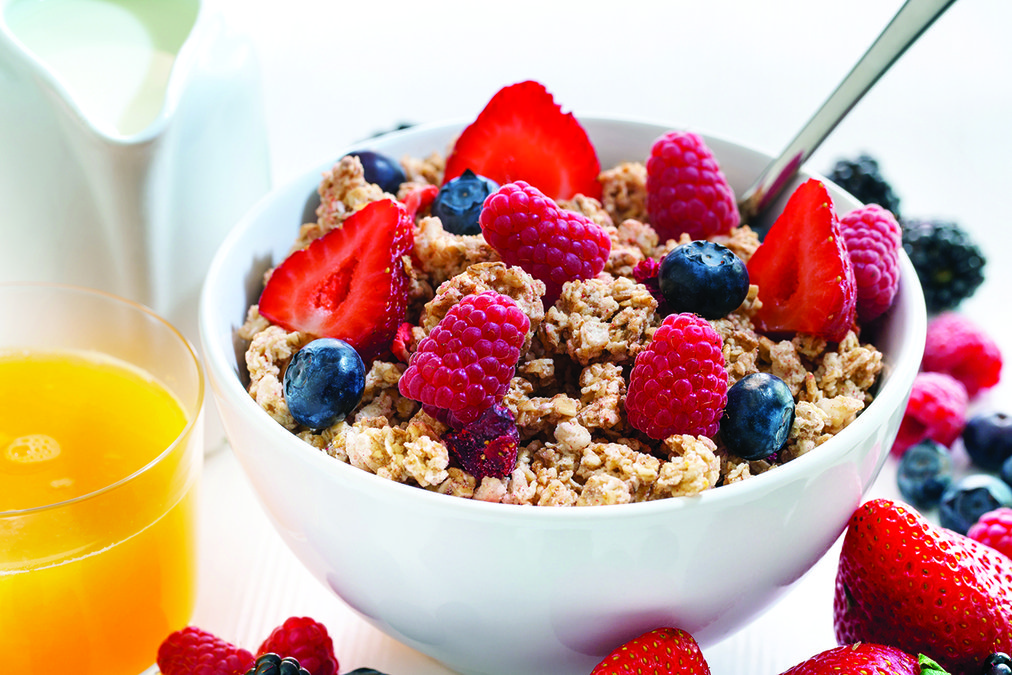
Begin the day with fiber: One of the most effective ways to eat enough fiber is to choose the right breakfast cereal. Many breakfast cereals contain ample amounts of fiber, and the Mayo Clinic advises looking for one that contains five grams or more of fiber per serving. Though this is not always the case, and shoppers are urged to read nutrition labels before purchasing a new cereal, products that contain the descriptors whole grain, bran or fiber in the name tend to feature ample amounts of fiber.
Supplement your cereal: Another simple way to start the day with fiber is to add berries or sliced bananas to your cereal bowl. Blueberries (roughly four grams per cup) and strawberries (about three grams per cup) are high in fiber and also can up the flavor profile of your morning cereal. The USDA National Database for Standard Reference indicates a medium-sized banana contains roughly three grams of fiber, making any of these, or a combination of them, great additions to a cereal bowl.
Replace white bread with wheat bread and traditional pasta with whole grain alternatives: Verywell Health notes that wheat bread is generally considered healthier than white bread due in part to its higher fiber content. The same dynamic plays out with whole grain pasta compared to traditional pasta. Traditional pasta is made from refined flour that has the bran removed during processing, whereas the fiber-rich bran is not removed when making whole grain pasta. It can take some getting used to, but opting for whole grain pasta and wheat bread over more traditional but less nutritious alternatives can be a great way to include more fiber in your diet.
Eat healthier snacks: Nacho lovers might be surprised to learn that tweaking their nachos recipe can be another way to eat more fiber. When making nachos for the big game, prepare them using whole-grain tortilla chips, legumes like black beans or red beans, and fresh vegetables like diced bell peppers. Another way to eat more fiber when snacking is to reach for whole-grain crackers, dried fruits without added sugar or a small amount of nuts in lieu of processed snacks like traditional potato chips.